FY2025 RIEC
Annual Meeting
on Cooperative
Research Projects

Compass for Next-Gen ICT
~Journey to Explore New Possibilities with Diverse Intelligence~

Date

February 19 [THU] 2026
10:00-18:40

Conference Method

Hybrid Event
(On-site & Online)

Venue

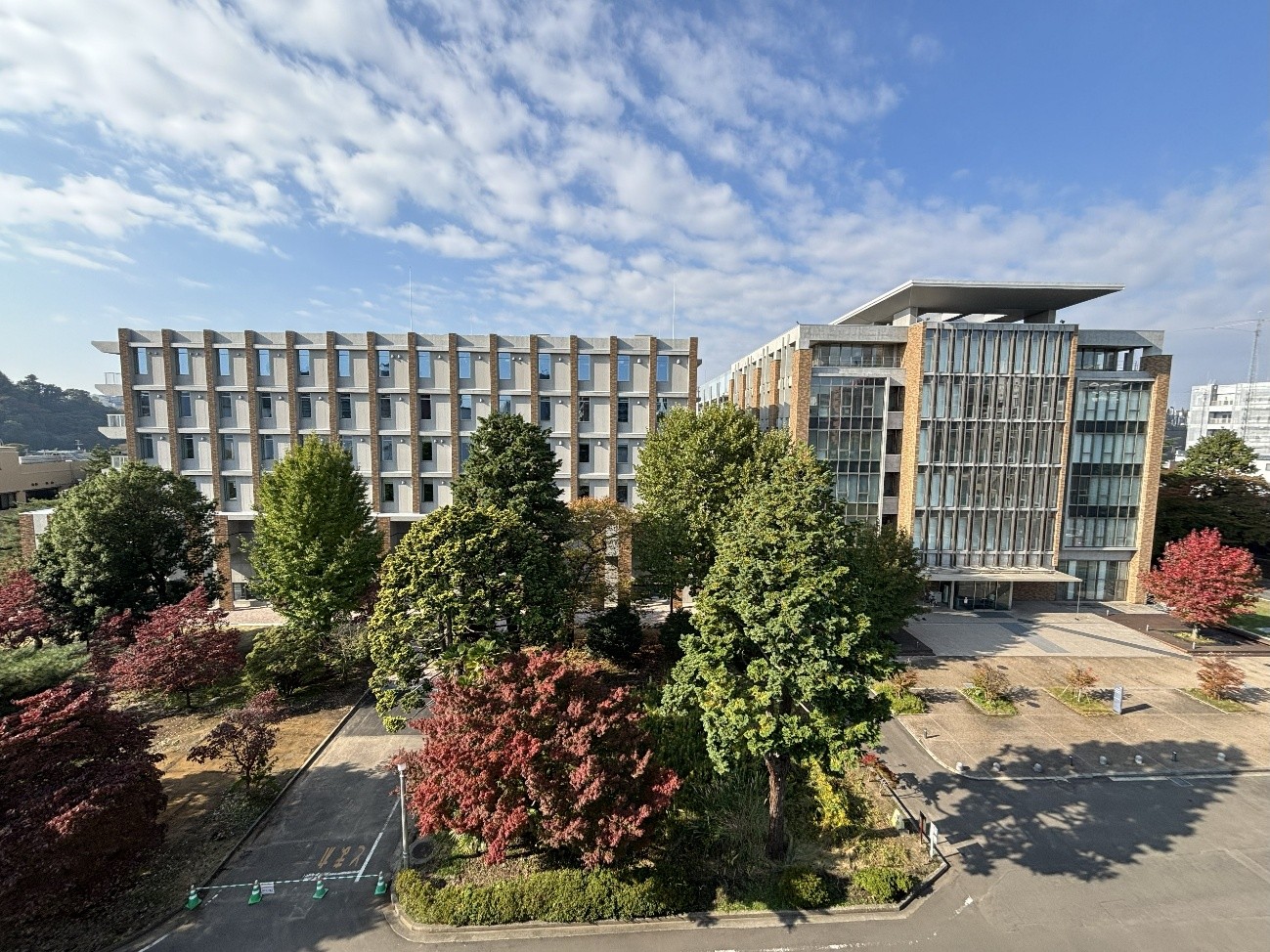
Tohoku University RIEC Main Building
[ Oral Session and RIEC Award Ceremony ] 6F Conference Room
[ Poster Session ] 1F Hall
[ Reception ] 1F (Reception fee required)
Leaflet Download  About RIEC Cooperative Research Project 

Program Outline

Speakers

Session 1    Introduction on Activities from RIEC as a Center of Cooperative Research on ICT10:00-10:50

Date 10:00-10:10

Opening remarks

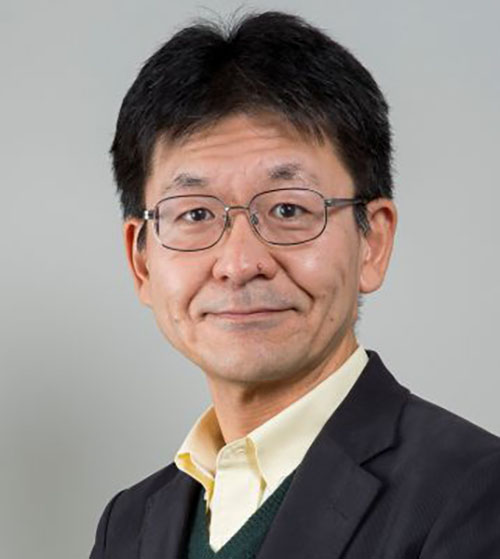
ISHIYAMA KazushiDirector / Professor

RIEC, Tohoku University

Date10:10-10:30

The Present and Future of RIEC: Progress and Prospects as a Joint Usage / Research Center

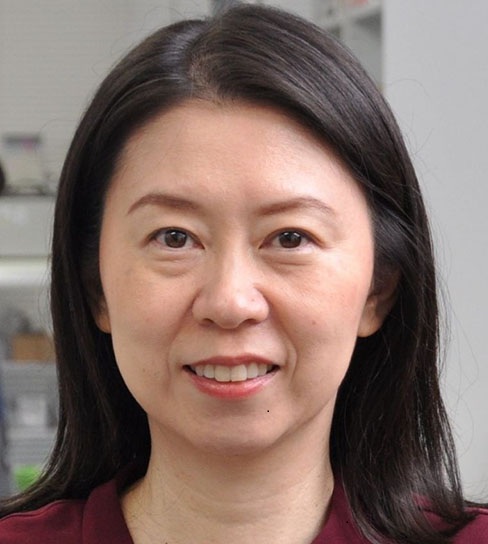
HIRANO AyumiDeputy Director / Professor

RIEC, Tohoku University

RIEC (Research Institute of Electrical Communication) serves as a Joint Usage / Research Center in the field of information and communications, promoting collaborative project-based research with external researchers. A key characteristic of RIEC is that joint research activities are conducted through close collaboration with in-house faculty members and external researchers. Unlike conventional joint usage schemes that focus primarily on the shared use of large-scale facilities, these projects are driven by research content and objectives, aiming to achieve both academic excellence and meaningful impact on society and industry. In this lecture, I will outline the institute’s initiatives and progress, and discuss future directions and prospects for further development, with a view toward broader collaboration and impact.

[Keywords] Joint Usage / Joint Research Center, Information and Communications, Research Content–Driven Joint Research

Date10:30-10:50

Activities of the Co-creation Research Center for Photonics Integration

SHIMADA Michihiro Specially Appointed Professor

RIEC, Tohoku University

Furukawa Electric Co., Ltd. and Tohoku University created the ' Furukawa Electric × Tohoku Univ. Co-Creation Research Center for Photonics Integration ' at RIEC in April 2023 and started operating. The center has provided a lot of opportunities for dialogue between Furukawa Electric and Tohoku Univ., not only in the field of photonics but also in a diverse range of fields. Through the dialogue and further research, we have initiated 10 co-creation projects, achieving some outcomes for around three years. This presentation covers the activities and results of the Center, as well as the Co-Creation Research Center system of Tohoku Univ. and its features.

[Keywords] Co-Creation Research Center, Photonics, Industry-Academia Collaboration

Session 2     Research Highlights of Cooperative Research Projects10:50-14:30

時間10:50-11:20

Design of Borderless Wireless Networks for Digital Twin Society

SATO KoyaAssistant Professor

Artificial Intelligence eXploration Research Center, The University of Electro-Communications

Toward the digital twin era, it is essential to digitally represent vastspatial environments ranging from the ocean to outer space. Achievingsuch representations requires effective utilization of wireless networksbased on interdisciplinary knowledge across a wide range of domains.Against this background, this project has fostered mutual understanding and established collaborative frameworks through a series of workshops that bring together researchers specializing in communications for underwater, terrestrial, and space environments. In this presentation, we first provide an overview of the project and then introduce wireless environment visualization technologies that have been primarily investigated by the presenter.

[Keywords] Sensing, Radio Propagation, Spatial Statistics

時間11:20-11:50

Disaster Prevention and Mitigation Systems Aiming for Harmony Between Humans and the Environment

SUGIYASU KazuyaAssociate Professor

Faculty of Policy Studies, Iwate Prefectural University

One of solution to improve disaster response efficiency and reducing secondary disaster risks is the utilization of UAV. This project focused on promoting UAV use for evacuation guidance during disasters, technological development, and regional implementation based on lessons learned from the 2011 Great East Japan Earthquake.
This presentation reports on the demonstration experiments and regional implementation conducted in various locations across Miyagi, Iwate, and Fukushima, based in Sendai.

[Keywords] Disaster Risk Reduction, UAV, Digital Transformation

時間13:00-13:30

Topological and Geometric Structure Analysis of Deep Learning Latent Spaces

JINNO Kenya Professor

Faculty of Information Technology, Tokyo City University

This study elucidates changes in neural network internal representations from a geometric perspective, specifically as "manifold deformations." By contrasting a "class classifier" performing discriminative representation learning with an "autoencoder" performing generative representation learning, we experimentally verified these internal representation changes. The results confirmed that as the classifier's layers deepen, it induces neural collapse, destroying the original topological structure to maximize class separation. In contrast, autoencoders strongly tend to preserve the original manifold's geometric structure for data reconstruction. This demonstrates the contrasting mechanisms of "structure destruction" versus "structure preservation" driven by their respective learning objectives.

[Keywords] Discriminative Pepresentation Learning, Generative Representation Learning, Manifold

時間13:30-14:00

Computational Principles of Brain-Inspired Reservoir Computing and Its Feasibility in Cultured Neural Systems

KATORI YuichiProfessor

School of Systems Information Science, Future University Hakodate

Predictive coding describes cortical information processing as interactions between internal predictions and sensory inputs, while reservoir computing provides a nonlinear dynamical substrate with minimal training requirements. This talk presents a unified Predictive Coding with Reservoir Computing (PCRC) framework, in which recurrent reservoirs generate predictions and compute prediction errors for sensory signals.
Building on this framework, a multisensory integration model is introduced that processes auditory and visual information using interconnected reservoir modules. The model reconstructs visual patterns from auditory cues and adaptively modulates feedback gain by estimating sensory noise from prediction-error statistics and mapping it through a sigmoidal control law. This mechanism reproduces inverse effectiveness and enables robust recognition across different noise conditions, providing a flexible and biologically inspired computational account of multisensory neural processing.

[Keywords] Predictive Coding, Reservoir Computing, Multisensory Integration

時間14:00-14:30

AI & Communication Technology Based on Human-Centered Science and Its Hardware Implementation

HANYU TakahiroProfessor

RIEC, Tohoku University

TSENG Chia-hueiAssociate Professor

RIEC, Tohoku University

Research exchange with National Taiwan University has been conducted primarily in the field of human information sciences. Since fiscal year 2023, the scope of this collaboration has been expanded to include research related to AI semiconductor technologies. In the current fiscal year, research exchange activities were carried out over two days, November 22–23, 2025, with a dual focus on human information sciences and AI semiconductor research. This presentation provides a formal overview of the achievements of these research exchanges, outlining the activities undertaken in each respective field.

[Keywords] Human Information Science, AI Semiconductor, Nonvolatile Logic for Ultra-low-power Computation

RIEC Award Ceremony14:40-15:10

FY2025 RIEC Awardees will be announced soon

Poster Session   Venue - RIEC Main Building 1F15:30-17:30

Part1:15:30-16:30 (Part1 Core Hours--15:30-16:15)
Part2:16:30-17:30 (Part2 Core Hours--16:45-17:30)

About Poster Session 
Poster session presenter list will be posted soon.

Facility Tour <Registration Required> 16:15-16:45


Course 1(Capacity: 20 people)
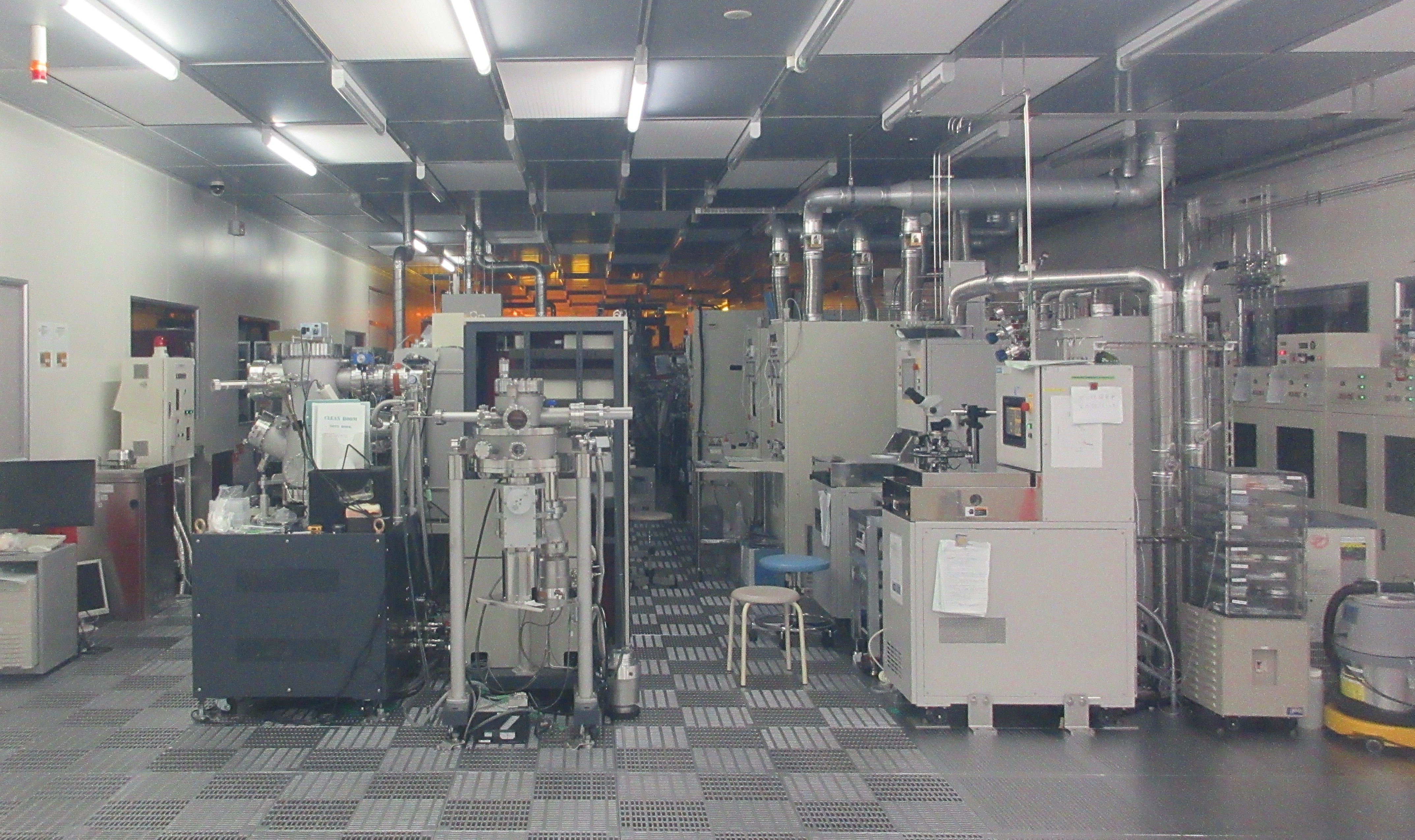
Cleanroom Tour and Introduction to Open-Access Facilities and Equipment

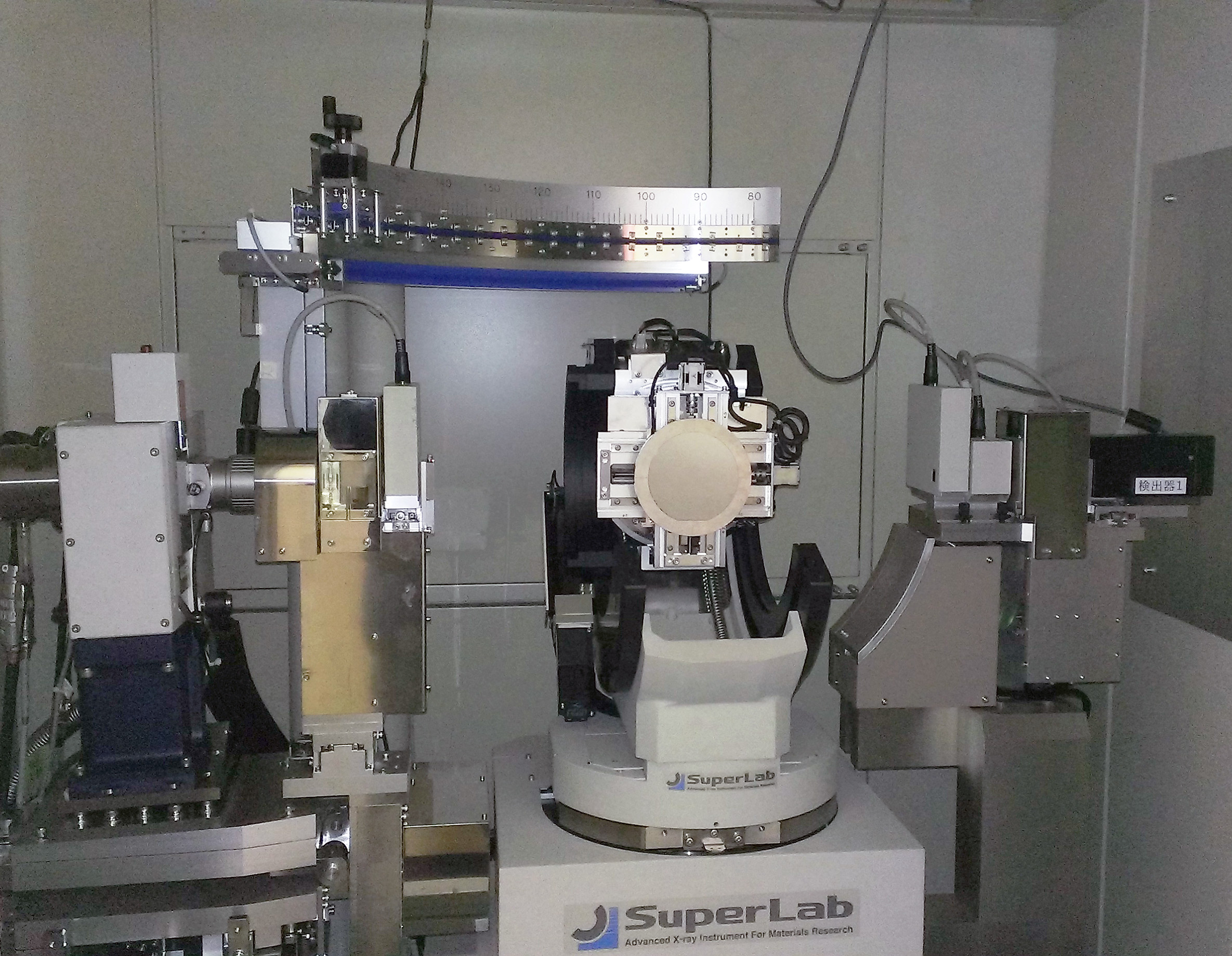
The Fundamental Technology Center manages a wide range of machines and equipment, such as machine tools, analytical instruments, semiconductor process equipment, and provides technical support for research. Not only researchers in Tohoku univ. but also researchers outside Tohoku univ. can use these machines and equipment with support by technical staff. In this course, you can visit the clean room in Laboratory for Nanoelectronics and Spintronics, and we will introduce the machines and facilities in the Center, some instances of technical support and how to utilize the Center.

  Examples of open-access facilities and equipment

【Movie(RIEC YouTube Channel)】
  Remote Measurement Services for External User
  Lithography Technical Support


Course 2(Capacity: 20 people)
Site Visit: Global Connect Hub – New Research Wing

Welcome to the tour of Tohoku University’s RIEC new research building, "Global Connect Hub - Atelier Q∞". Established through a PFI project to drive industry-academic innovation, this facility features a grand three-story open atrium and specialized lab spaces designed for heavy equipment and precision stability. As an "Atelier" for free-thinking and creativity, we invite you to experience this cutting-edge environment where infinite curiosity connects global researchers.


 ※If applications exceed capacity, a lottery will be held.
  Selected participants will be notified by email
  no later than February 16th.

Reception17:40-18:40

Reception Venue : RIEC Main Building 1F, Open Seminar Room
Reception Fee Required(cash only) : 3,000 yen for non-students, 1,000 yen for students (Please pay on the day)

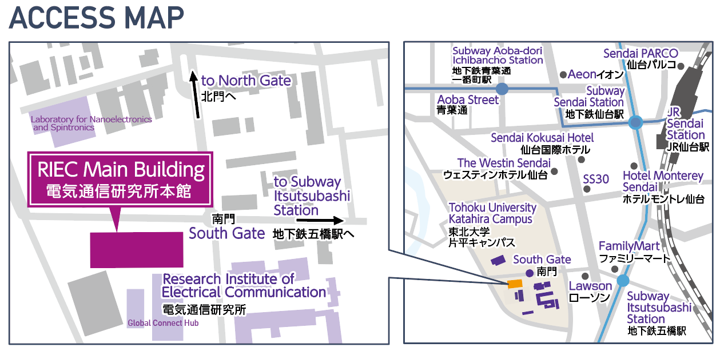
アクセスマップ
Location

Research Institute of Electrical Communication, Tohoku University
Katahira Aoba-ku Sendai, JAPAN


From Sendai Airport

By taxi: About 60 minutes from Sendai Airport to Katahira Campus
By Sendai Airport Access Line: About 25 minutes from Sendai Airport to JR Sendai Station


From JR Sendai Station

On foot: About 20 minutes from JR Sendai Station By taxi: About 5minutes from JR Sendai Station