
国立大学法人東北大学電気通信研究所公式ウェブサイト

Visual Information Systems Laboratory

>> Human and Bio Information Systems Division

Visual Information Systems Laboratory

Researcher
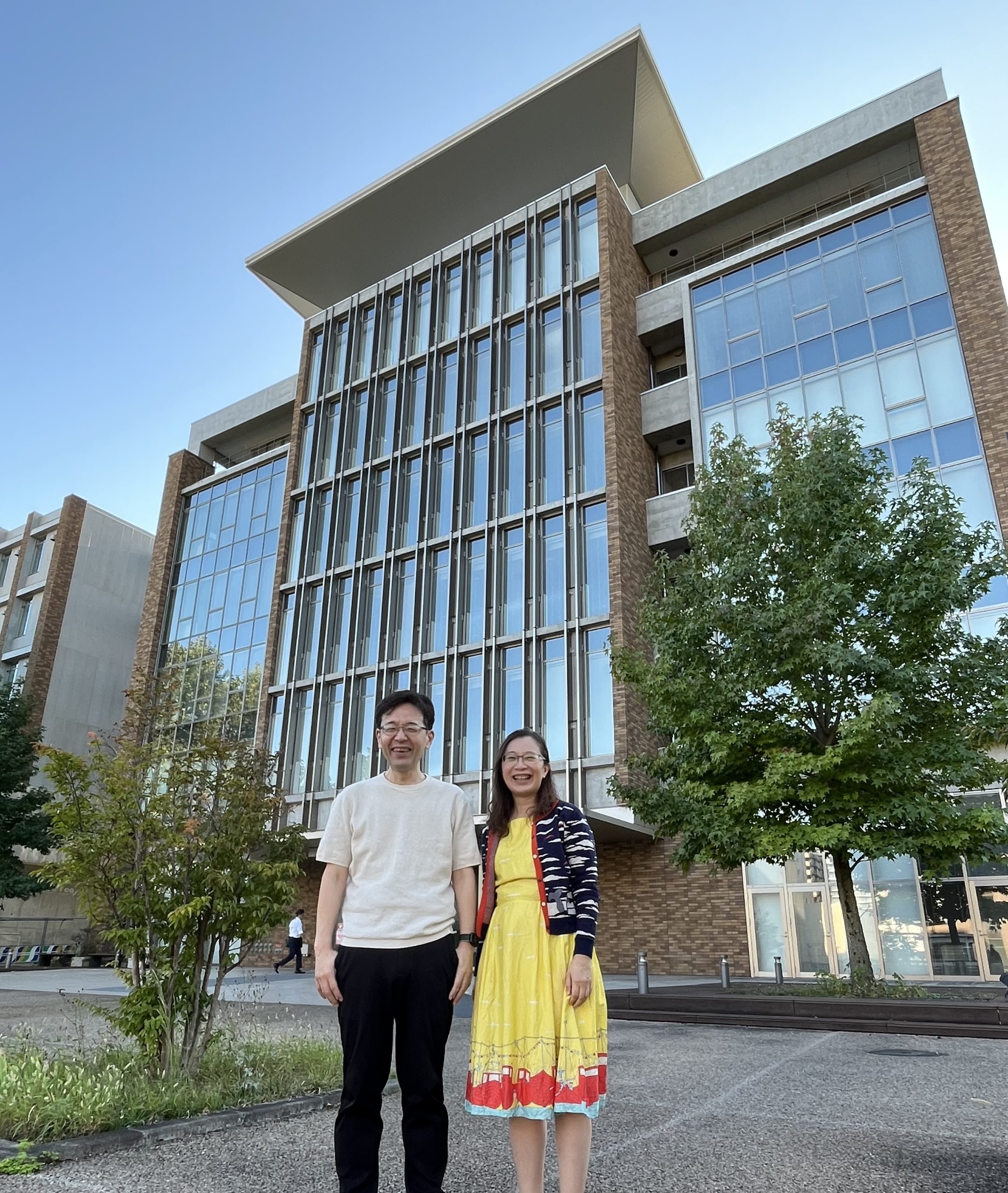
  • [ Professor ]
    Kowa Koida
  • [ Associate Professor* ]
    Chia-Huei Tseng

Group Web Site

https://www.vision.riec.tohoku.ac.jp/

Research Activities

Human brain is one of the most adaptable systems in the world. Understanding the brain functions is one of the most important issues for evaluating and designing things around us to improve the quality of life. We investigate the brain through visual functions to apply the knowledge to human engineering and image engineering.

Attention and Learning Systems(Assoc. Prof. Tseng*)

Research topics

  • Visual attention mechanisms and models
  • Multi-sensory perception and learning
  • Interpersonal nonverbal communication

My research interests cover the broadly-defined human cognitive functions such as perception, attention, and learning. With psychophysical, neurophysiological, and computational approaches, we try to answer how sensory systems construct a coherent world that we experience and look for applications to enhance human life quality.
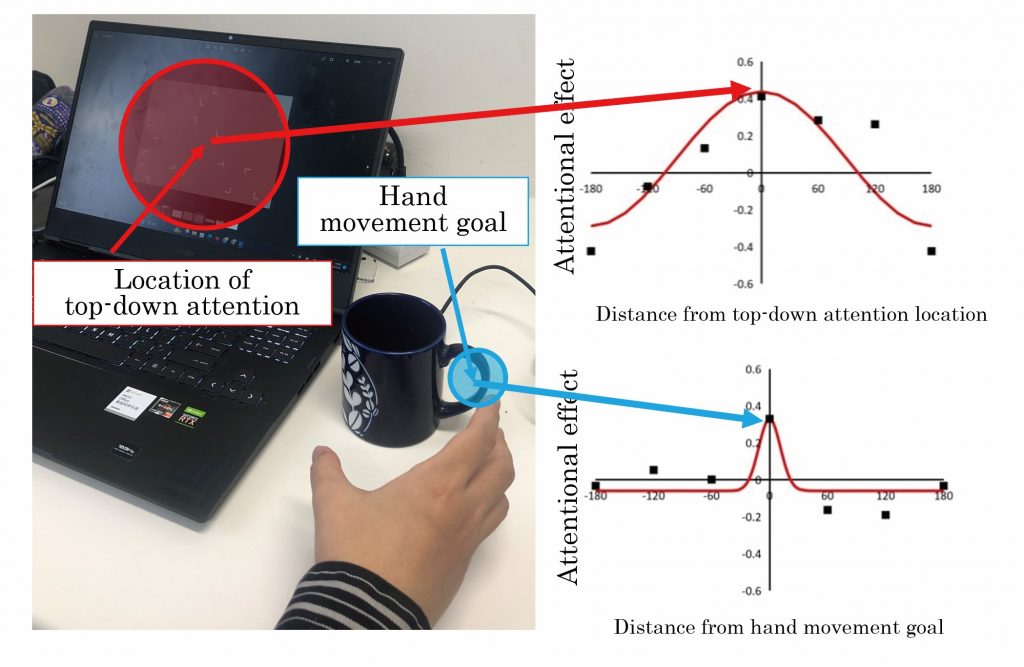
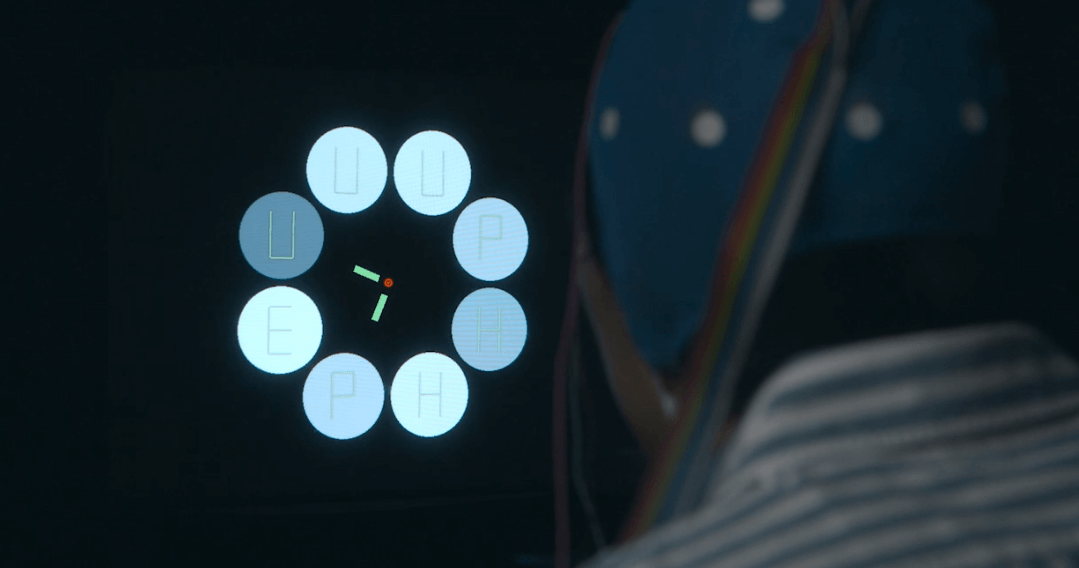
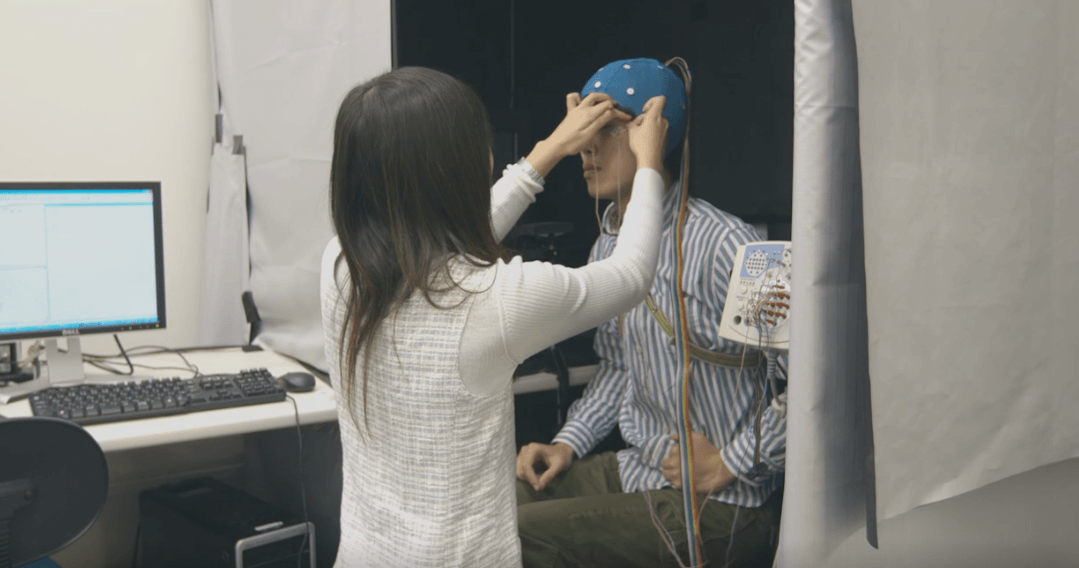
Attentional effects are known to include top-down attention, which is directed consciously, and bottom-up attention, which is directed to salient stimuli such as bright objects. In contrast, attentional effects on stimuli around the hand are also known to exist, but their relationship to top-down and bottom-up attention is unclear. We found that there is an attentional effect on the goal position even when top-down attention is directed to a location different from the goal position of the hand movement. We also found that the spread of attention measured by electroencephalography differed significantly between the hand movement goal position and the top-down attention position, indicating that the two are due to different mechanisms. Attentional mechanisms at the goal position of hand movement are different from top-down attention.
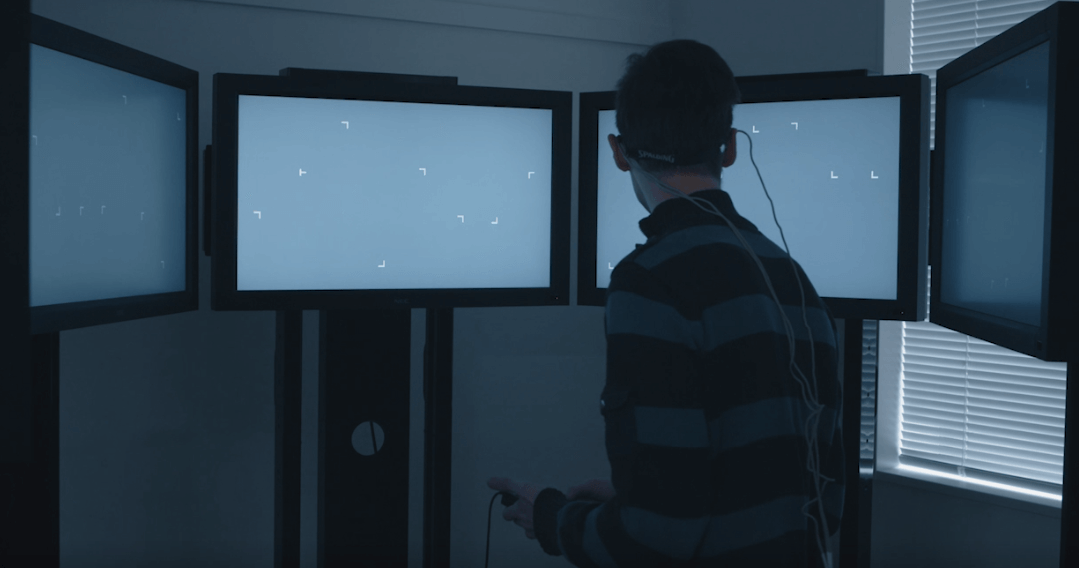
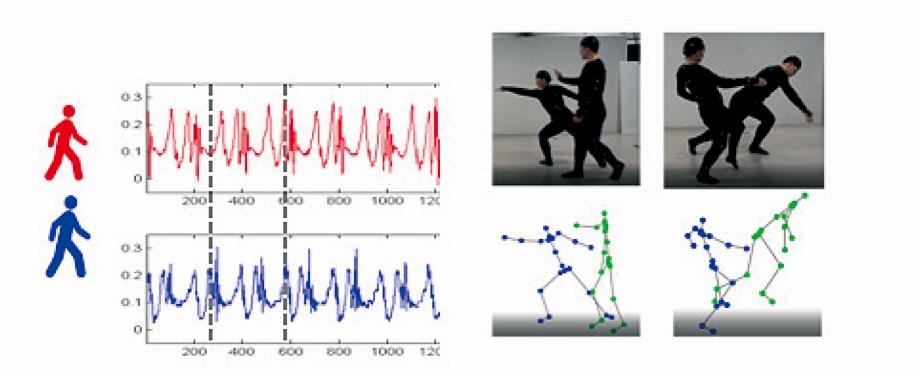
Interpersonal communication can be carried out in various forms such as side-by-side walking synchronization, body movements, and facial expressions. We used motion acceleration sensors and trackers, together with psychophysical methods to investigate how implicit signals are communicated.

研究室のようすThe state of the research

  • Visual Information Systems Laboratory
  • Visual Information Systems Laboratory
  • Visual Information Systems Laboratory
  • Visual Information Systems Laboratory